Have you ever received a message with “LUL” and wondered what it means? You are not alone. Many people see this short term in text messages, online games, and social media comments. The LUL meaning in text is usually related to laughter.
People often use it to show that something is funny, silly, or entertaining. It can also appear as a reaction to a joke or an amusing moment.
LUL is common in online chats, gaming communities, and live streams. However, its exact meaning can change depending on the conversation.
Some people use it like “LOL,” while others know it as a popular laughing emote on Twitch.
In this guide, you will learn what LUL means, where it came from, how people use it on different platforms, and how to reply when someone sends it. Let’s explore this simple internet slang in an easy way.
What Does LUL Mean in Text and Chat?
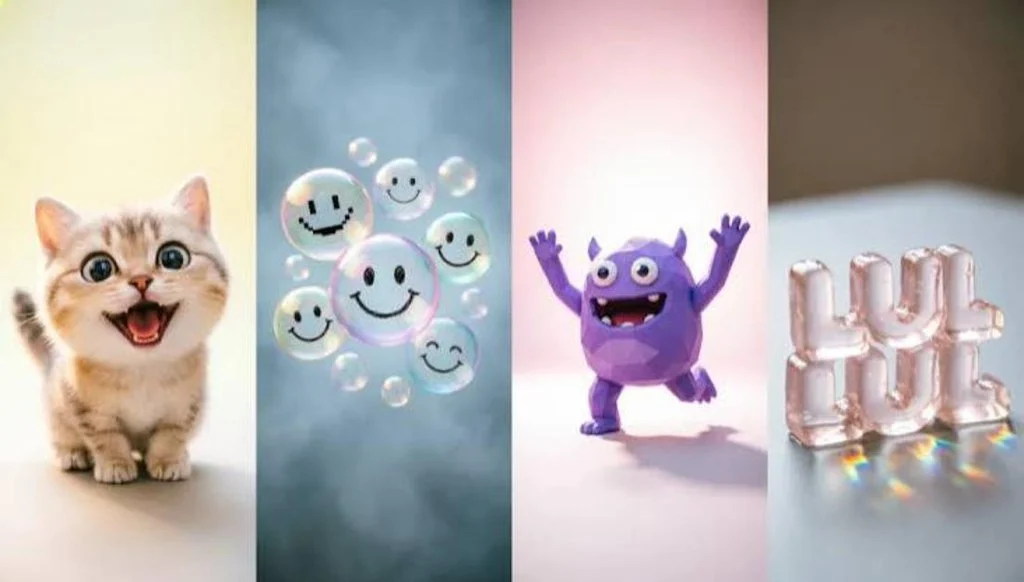
In text messages and online chats, LUL usually means laughter. People use it when they find something funny or want to react to an amusing message. It works much like “LOL,” which stands for “laughing out loud.”
When someone sends LUL, they may be laughing at a joke, a funny picture, or a silly situation. The term can make a conversation feel relaxed and friendly. It is short, easy to type, and fits naturally into casual online conversations.
For example, imagine that your friend tells you about a funny mistake they made at school. You might reply with “LUL” to show that you find the story amusing.
Here are a few common uses:
- To show laughter: “LUL, that joke was so funny 😂”
- To react to a mistake: “LUL, you sent the message to the wrong group.”
- To tease a friend: “LUL, you really thought you could win?”
- To respond to something unexpected: “LUL, I did not see that coming.”
- To keep a chat playful: “LUL, you always make me laugh.”
LUL does not always mean that someone is laughing loudly in real life. Sometimes, it is simply a quick reaction that shows amusement. The person may be smiling rather than laughing out loud.
The meaning also depends on the situation. If someone sends LUL after a harmless joke, it is probably friendly. If they send it after your mistake, they may be teasing you. Look at the words around it to understand the intended tone.
Full Form, Stands For, and Short Meaning of LUL
The short meaning of LUL in internet slang is laughter. In many online conversations, people use it in the same way they use LOL. However, LUL is not always treated as a formal abbreviation with one fixed full form.
People sometimes interpret LUL as a playful version of “laughing out loud.” This is a useful way to understand its meaning in casual messages. Still, its best-known online use is connected to laughing reactions and internet gaming culture.
Here is a quick breakdown:
- Term: LUL
- Common meaning: Laughter or amusement
- Related slang: LOL
- Typical tone: Funny, casual, playful, or teasing
- Common places: Text messages, gaming chats, Twitch, and social media
- Formal use: Usually avoided in professional writing
Unlike some abbreviations, LUL does not need a complicated explanation. It often acts as a reaction rather than a complete sentence. For example, someone might write “LUL” after seeing a funny video instead of typing, “That video made me laugh.”
It is also important to understand that not everyone uses LUL in the same way. Some people know it mainly from gaming streams, while others use it as a simple laughing response in messages.
You may also see LUL written in lowercase as “lul.” In most casual conversations, the capitalization does not change the meaning.
For example:
- “LUL, that was unexpected.”
- “lul you forgot your keys again.”
- “That ending was wild, LUL.”
- “LUL 😂 I cannot believe it.”
In each example, the term shows amusement or a playful reaction.
If you are learning internet slang, remember that short forms often depend on the people using them. LUL is easy to understand once you connect it with laughter and the relaxed style of online communication.
Origin, History, and First Known Use of LUL
The history of LUL is closely linked to internet culture, especially online gaming and live-streaming communities. Although people have used different forms of written laughter for many years, LUL became especially recognizable through its use as an online emote.
An emote is a small image or symbol that people use to express an emotion in a chat. On platforms such as Twitch, viewers often send emotes to react to streamers, jokes, surprising events, and funny mistakes.
LUL is strongly associated with a laughing face used in Twitch culture. The image is connected to John Bain, widely known online as TotalBiscuit or the Cynical Brit. The emote became a familiar part of gaming and streaming conversations.
Over time, LUL developed beyond a simple image. People began using the word itself in messages and comments. This helped it become recognizable even when the original picture was not available.
Its growth shows how internet slang can spread. A term may begin in a specific online community and later reach people who do not belong to that community.
Some important points about its history include:
- Early internet culture: Online users developed many short ways to express laughter.
- Gaming communities: Players used quick reactions to respond to funny moments.
- Live-streaming culture: Emotes made it easier for viewers to react together.
- Social media: Short reactions spread through comments, posts, and private messages.
- Modern chats: Some users now type LUL as ordinary text rather than using an emote.
It is difficult to name one exact first use of the written term LUL across the entire internet. Different communities may have used similar forms independently.
For that reason, it is best to connect LUL’s popular online identity with gaming and streaming culture without claiming that every use began on one platform. Today, it remains an example of how internet communities create their own ways to communicate emotions quickly.
How People Use LUL in Daily Conversations
People use LUL in daily online conversations to show that something is funny, surprising, or slightly embarrassing. It can appear in private messages, group chats, gaming conversations, and social media replies.
The term is informal, so it usually fits conversations with friends, classmates, gaming partners, and other people who understand internet slang. It is less common in serious discussions or formal work messages.
One common use is reacting to a joke. If a friend shares a funny story, you can reply with LUL to show that you enjoyed it. You do not need to write a long response.
Another use is playful teasing. Friends often laugh about small mistakes, unexpected events, or silly choices. In these situations, LUL can make the teasing feel lighthearted. However, the same message may sound rude if the other person feels embarrassed.
Here are some everyday examples:
- Funny story: “LUL, your day sounds like a comedy show.”
- Small mistake: “LUL, you opened the wrong door.”
- Unexpected news: “LUL, wait, that actually happened?”
- Friendly teasing: “LUL, you lost again?”
- Funny photo: “LUL, why is your cat looking at you like that? 😂”
- Gaming moment: “LUL, you missed the easiest shot.”
People may also use LUL to react to a joke without adding any other words. A single LUL can be enough to show amusement.
Still, it is not the best response to every situation. If someone shares sad news, discusses a serious problem, or asks for help, responding with LUL could seem insensitive.
Before using it, consider the topic and your relationship with the other person. If the conversation is light and friendly, LUL is usually fine. If the subject is serious, a thoughtful response is a better choice.
In short, LUL helps people communicate a quick emotional reaction. Its meaning becomes clearer when you consider the message that came before it and the tone of the conversation.
LUL Meaning Across WhatsApp, Instagram, TikTok, and Snapchat
LUL can appear on many social media platforms, but its meaning may depend on how people use the app. In general, it signals laughter or amusement. On gaming-focused platforms, it may also refer to a specific emote.
LUL on WhatsApp
On WhatsApp, someone may type LUL in a private chat or group conversation after reading a funny message. It can work like LOL and keep the conversation casual.
Examples:
- “LUL, you sent that to the family group 😂”
- “LUL, your story made my day.”
Some users may be more familiar with LOL, haha, or laughing emojis, so not everyone will understand LUL immediately.
LUL on Instagram
On Instagram, LUL may appear in comments, direct messages, or reactions to funny posts and Reels. Users can type it when a video surprises them or makes them laugh.
Examples:
- “LUL, the ending got me.”
- “LUL 😂 this is too funny.”
Its use is informal and depends on the user’s online habits.
LUL on TikTok
TikTok users may use LUL in comments about funny clips, unexpected moments, gaming videos, or playful challenges. It can express amusement without requiring a long comment.
Examples:
- “LUL, I was not ready for that.”
- “LUL, the last part is the best.”
Other reactions, such as LOL, LMAO, and laughing emojis, may be more familiar to some viewers.
LUL on Snapchat
On Snapchat, LUL can appear in direct messages or replies to funny Snaps. Friends may use it to respond quickly to a silly picture or an amusing video.
Examples:
- “LUL, why did you take that picture?”
- “LUL, your face in the last Snap 😂”
LUL on Twitch and Gaming Chats
Twitch deserves special attention because LUL is strongly associated with its laughing emote culture. Viewers may use the LUL emote to react to a streamer’s joke, a surprising game moment, or a funny failure.
The key point: LUL generally signals laughter across these platforms, but its association with Twitch emotes is more specific than its use in ordinary text messages.
Different Meanings of LUL in Other Fields
Although LUL usually relates to laughter in casual internet conversations, the same letters can have different meanings in other settings. This is common with short abbreviations because people use them in many industries, communities, and languages.
For example, a technical document might use LUL as a local abbreviation for a term that has nothing to do with laughing. A company, school, or online group may also create its own meaning.
This is why you should not assume that every appearance of LUL is internet slang.
Here are some ways to understand it in different settings:
- Text messaging: Usually a laughing reaction or a playful response.
- Gaming chats: Often a reaction to a funny moment; it may refer to the Twitch LUL emote.
- Technical writing: Could be a specialized abbreviation defined by the document or organization.
- Workplace communication: May be an internal acronym whose meaning depends on the team.
- Names and usernames: Could simply be part of a person’s online name or brand.
- Language and regional use: Similar letter combinations may have separate meanings in particular communities.
It is important not to invent a full form when the context does not provide one. Unlike a common term such as LOL, LUL does not have one universally accepted expansion that applies to every situation.
If you find LUL in a technical report, school document, or workplace message, check whether the writer defines it elsewhere. You can also ask the person who used it.
For instance, if a friend sends “LUL 😂” after a joke, laughter is a reasonable interpretation. But if a colleague writes “Please review the LUL figures” in a report, the meaning is not clear from the letters alone.
The safest approach is to consider the topic, the surrounding words, and the people involved. Online slang is often easy to recognize in casual chats, but abbreviations in specialized fields require more care.
Common Confusions, Mistakes, and Wrong Interpretations of LUL
LUL is a short term, so it is easy to misunderstand when you first see it. The biggest mistake is assuming that every person uses it in exactly the same way.
In many casual conversations, LUL signals laughter. However, some people use it mainly as a Twitch emote, while others use it as a playful version of LOL. The meaning can change slightly based on the platform and the situation.
Here are some common misunderstandings:
- Thinking LUL is always a formal full form: It is mainly an informal online expression, and its meaning depends on context.
- Assuming it always means loud laughter: Someone may type LUL simply to show that something is amusing.
- Confusing LUL with LOL: Both can express laughter, but LUL also has a strong connection to gaming emote culture.
- Assuming it is always sarcastic: LUL can be friendly, playful, or teasing. It is not automatically an insult.
- Thinking capitalization changes the meaning: LUL and lul usually serve the same purpose in casual chat.
- Using it during a serious conversation: It may seem insensitive if the other person is discussing a painful or important issue.
- Assuming everyone knows the term: Some people may understand LOL but have never seen LUL before.
Tone is another important factor. Imagine that you tell a friend you made a small mistake, and they reply, “LUL.” They may be laughing with you rather than making fun of you. But if they repeatedly use it after your problems, it may feel disrespectful.
Emojis and surrounding words can help you understand the intention, although they do not provide a perfect answer every time.
For example:
- “LUL 😂 that was funny” sounds friendly.
- “LUL, you did that again?” may sound teasing.
- “LUL” after a serious announcement may seem inappropriate.
If you are unsure what someone means, ask a simple question instead of guessing. A quick clarification can prevent unnecessary confusion.
Similar Terms, Alternatives, and Related Slang

Several internet slang terms have meanings similar to LUL. Most are used to express laughter, amusement, or a playful reaction. However, each term can have a slightly different tone.
Understanding these alternatives will help you recognize online conversations more easily.
- LOL: Means “laughing out loud.” It is one of the most widely recognized ways to show laughter in a message.
- LMAO: Means “laughing my ass off.” It usually expresses stronger amusement and is more informal.
- ROFL: Means “rolling on the floor laughing.” People use it to suggest that something is extremely funny.
- Haha: A simple written form of laughter. It can sound friendly and natural.
- Hehe: Often suggests a playful, shy, or mischievous laugh.
- LMFAO: An intensified form of LMAO that includes profanity, so it is best suited to informal settings.
- KEKW: A popular Twitch emote and gaming-chat expression associated with laughter.
- 😂: The face-with-tears-of-joy emoji, commonly used to show that something is funny.
- LULW: A variation associated with Twitch emote culture and exaggerated laughter.
- OMEGALUL: Another Twitch-related expression used to react to something very funny or ridiculous.
Although these terms can overlap, they are not always interchangeable. For example, LOL works in many everyday messages, while LUL may be especially familiar to people who watch live gaming streams.
Consider these examples:
- “LOL, I forgot my own password.”
- “LUL, that was an unexpected ending.”
- “LMAO, your reaction was priceless.”
- “Hehe, I knew you would say that.”
- “ROFL, that joke was too good 😂”
Choose the term that matches your usual style and the person you are speaking with. If you are chatting with someone who does not know gaming slang, LOL or haha may be easier to understand.
Learning related terms also helps you understand online culture. Many slang expressions start in small communities and become more widely used over time.
Examples of LUL in Real Chat Situations
The easiest way to understand LUL is to see how it appears in everyday messages. These examples show how people may use it in friendly chats, gaming conversations, and social media replies.
Example 1: Talking With a Friend
Friend A: I walked into class and realized I was wearing two different shoes.
Friend B: LUL 😂 how did you not notice?
Here, LUL shows amusement at a harmless mistake. The laughing emoji makes the playful tone clearer.
Example 2: Reacting to a Funny Video
Person A: Did you watch that video I sent?
Person B: LUL, the ending was hilarious.
In this conversation, LUL is a quick reaction to something entertaining.
Example 3: Gaming With Friends
Player A: I missed the target again.
Player B: LUL, that was the easiest shot!
Here, LUL expresses laughter and friendly teasing. Whether it feels funny or annoying depends on the relationship between the players.
Example 4: A Group Chat
Friend A: I sent a birthday message to the wrong person.
Friend B: LUL 😭 what did they say?
The term shows surprise and amusement. The crying emoji is being used as an exaggerated emotional reaction, not necessarily to show sadness.
Example 5: Instagram Comments
Creator: Watch until the last second.
Viewer: LUL 😂 I was not expecting that.
In this case, LUL works as a short comment on a surprising or funny video.
Example 6: Snapchat Conversation
Friend A: Look at this picture I took.
Friend B: LUL, why are you making that face? 😂
This example shows how the term can make a casual conversation more playful.
Example 7: Twitch Live Stream
Viewer A: The streamer just fell off the map.
Viewer B: LUL
In a Twitch chat, the message may refer to the familiar laughing emote or the general reaction associated with it.
These examples show that LUL usually communicates laughter, but the exact feeling depends on the situation. It can express genuine amusement, surprise, or friendly teasing.
How to Reply When Someone Says LUL
Your reply to LUL depends on the message that came before it. If someone uses it after a joke, you can continue the fun conversation. If they use it to tease you, you can respond playfully or ask what they mean.
You do not need a special reply every time. Since LUL is usually a reaction, a short message or emoji is often enough.
Here are some easy responses:
- If they laugh at your joke: “Glad you liked it 😂”
- If they react to a funny story: “I know, right? 😭”
- If they tease you: “Hey, it was an honest mistake!”
- If they laugh at a gaming moment: “I really need more practice.”
- If they react to a video: “Wait until you see the next one.”
- If you are confused: “What does LUL mean here?”
- If you want to keep things casual: “Haha, exactly!”
- If you want to tease them back: “Just wait until your turn 😂”
The best reply matches the tone of the conversation. If your friend is laughing with you, there is usually no need to take it seriously.
However, if LUL appears after something personal or upsetting, you may want to check what the other person intended. You could say, “Are you laughing at what happened?” This gives them a chance to explain.
You should also remember that not every reaction needs a response. Sometimes, a laughing emoji is enough. Other times, you can continue the conversation by asking a question or sharing another funny story.
If you are messaging someone who uses a lot of internet slang, replying with LOL, haha, or a suitable emoji is perfectly fine.
In short, keep your response natural. LUL is generally informal, so a relaxed reply often works best.
Is LUL Still Popular? Trends and Online Usage
LUL remains recognizable in online gaming and streaming culture, especially among people who use Twitch emotes. Its continued association with live-stream reactions helps explain why the term still appears in gaming chats and internet discussions.
However, popularity can vary between communities. Someone who watches gaming streams every day may recognize LUL immediately, while another person may use LOL, haha, or emojis instead.
Internet slang changes quickly. New expressions appear, older terms return, and some words become popular in one community without becoming common everywhere. LUL is a good example of a term whose meaning is connected to a particular online culture.
Several factors influence how people use it today:
- Gaming communities: Players use short reactions to respond quickly during games.
- Live streams: Viewers can use emotes to share a reaction with other viewers.
- Social media: People may type LUL in comments or direct messages.
- Personal preferences: Some users prefer LOL, LMAO, or emojis instead.
- Community knowledge: People familiar with Twitch are more likely to recognize its emote-related meaning.
LUL may be less familiar to people who mainly use social media for family conversations, school, or work. This does not mean the term has disappeared. It simply means its use is not the same across all groups.
It is also helpful to separate general recognition from current popularity. A term can remain well known in a specific community without being the most common expression among all internet users.
There is no need to use LUL just because you see other people using it. If LOL or haha feels more natural, those expressions are fine too.
The main thing is to understand the context. When you see LUL in a gaming chat, it may refer to a familiar emote. In an ordinary text message, it usually works as a short way to express laughter.
Frequently Asked Questions
1. What does LUL mean in text messages?
LUL usually means laughter or amusement in text messages. People use it to react to jokes, funny stories, surprising moments, and playful mistakes. It often works like LOL.
2. What does LUL stand for?
LUL does not have one universally accepted full form in every context. In casual online conversations, it is mainly associated with laughter. Its well-known gaming use is also linked to the LUL emote on Twitch.
3. Is LUL the same as LOL?
They are similar because both can express laughter. LOL is a widely used abbreviation for “laughing out loud,” while LUL is strongly associated with internet gaming and Twitch emote culture.
4. What does LUL mean on Twitch?
On Twitch, LUL is associated with a popular laughing emote. Viewers use it to react to funny moments, jokes, surprising gameplay, and streamers’ mistakes.
5. What does LUL mean from a boy?
If a boy sends LUL, he is usually showing that he finds something funny or amusing. It does not automatically mean that he is flirting. The meaning depends on the conversation and your relationship with him.
6. What does LUL mean from a girl?
If a girl sends LUL, she may be laughing at a joke, reacting to a funny situation, or teasing you in a friendly way. The term alone does not reveal whether she has romantic feelings.
7. Is LUL rude or offensive?
LUL is generally not offensive by itself. However, it may feel rude if someone uses it to mock a personal problem or laugh at an upsetting situation.
8. What is the difference between LUL and LMAO?
LUL is a casual laughing reaction linked to internet and gaming culture. LMAO means “laughing my ass off” and often expresses stronger amusement. Both are informal.
9. Can I use LUL on WhatsApp or Instagram?
Yes. You can use LUL in WhatsApp messages, Instagram comments, direct messages, and other casual online conversations. Just remember that some people may be more familiar with LOL or laughing emojis.
10. How should I reply when someone texts LUL?
You can reply with “Haha,” “LOL,” or a laughing emoji. If the person is teasing you, respond playfully. If you do not understand the message, ask what they mean.
Conclusion:
The LUL meaning in text is usually connected to laughter, amusement, and playful reactions. People use it in casual messages, gaming chats, and social media comments when something makes them laugh or surprises them.
It is similar to LOL, but it also has a strong connection to the popular LUL emote in Twitch culture.
Understanding LUL is simple when you consider the conversation around it. A friend may use it to react to a funny story, while a gamer may use it after an unexpected moment during a live stream. It is generally friendly, but the tone can change depending on the situation.
Remember that not everyone knows the same internet slang. If you are unsure what someone means, you can ask them or look at the surrounding message for clues.
Now that you understand LUL, you can recognize it more easily and use it naturally in casual online conversations.