Have you ever received a text with the abbreviation IFHY and wondered what it means? You are not alone. Many people use short forms in text messages, social media comments, and private chats to express their feelings quickly.
IFHY is one of those abbreviations that can be confusing if you have never seen it before.
Its meaning often depends on the conversation, the relationship between the people, and the tone of the message. Understanding this slang can help you avoid confusion and respond in the right way.
In this guide, you will learn what IFHY means in text, where it comes from, how people use it on social media, and how to reply when someone sends it to you. You will also find simple examples, related slang terms, and answers to common questions.
What Does IFHY Mean in Text & Chat?
IFHY most commonly stands for “I f*ing hate you.”** It is an informal expression that people may use to show anger, frustration, annoyance, or playful irritation. The exact meaning depends on the situation and the relationship between the people chatting.
Although the phrase sounds harsh, it does not always mean that someone truly hates you. Close friends may use it as a joke when one person teases the other. However, it can also express real anger during an argument.
Here are some common ways people use IFHY:
- As a joke: A friend says IFHY after you beat them in a video game.
- To show frustration: Someone uses it when a friend keeps teasing them.
- During an argument: A person sends IFHY when they feel hurt or angry.
- In a playful chat: Someone uses it to react dramatically to a funny or embarrassing moment.
For example:
- Friend: “I told everyone about your crush 😂”
- You: “IFHY so much right now!”
In this example, the message is probably playful because the situation involves teasing.
Now consider a different example:
- Person A: “You lied to me again.”
- Person B: “IFHY.”
Here, the abbreviation may express genuine anger.
The best way to understand IFHY is to look at the words around it. Emojis, punctuation, and your relationship with the sender can help you work out whether the message is serious or playful.
Full Form, Stands For & Short Meaning of IFHY
The full form of IFHY is usually “I f*ing hate you.”** The word beginning with “f” adds strong emphasis to the sentence. It makes the expression more intense than simply saying, “I hate you.”
People often use abbreviations like IFHY because they are quick to type and easy to recognize in casual conversations. Instead of writing a full sentence, someone can send four letters to express a strong reaction.
Here is a simple breakdown:
- I: Refers to the person sending the message.
- F*ing:** Adds emphasis and emotional strength.
- Hate: Expresses dislike, anger, or frustration.
- You: Refers to the person receiving the message.
The short meaning of IFHY can change with the situation. It may mean “I’m really annoyed with you,” “You are making me angry,” or “I’m jokingly mad at you.”
For example:
- “You ate my last slice of pizza. IFHY 😭”
- “IFHY for spoiling the movie!”
- “You beat me again? IFHY 😂”
These messages may sound dramatic, but friends sometimes use strong words for humor.
However, IFHY is not a polite expression. It contains profanity in its usual expanded form, so it may be inappropriate in professional conversations, school assignments, or formal messages.
Quick tip: If someone sends IFHY and you are unsure what they mean, do not immediately assume they are serious. Consider the conversation before deciding how to respond.
Origin, History & First Known Use of IFHY
The exact origin of IFHY as a text abbreviation is unclear. There is no widely established first use that can be confidently identified. Like many internet slang terms, it likely developed through informal online conversations where people wanted to express strong emotions with fewer characters.
Text abbreviations became especially common as mobile phones and text messaging grew in popularity. People began shortening phrases to save time and make messages easier to type. Expressions such as LOL, OMG, and IDK became familiar examples of this trend.
IFHY follows the same general pattern. It takes the first letters of a longer, emotionally strong phrase and turns them into a short form.
Online chats, gaming communities, and social media helped create an environment where people could use dramatic language in playful ways. Friends might say they hate each other after a silly prank, a competitive game, or an embarrassing joke. In these cases, the phrase may be more about expressing a reaction than describing a real feeling.
The abbreviation can also appear in serious conversations. Someone who feels betrayed or deeply frustrated may use it to express anger without writing a longer message.
A few things are important to remember about its history:
- There is no confirmed single creator of IFHY.
- Its exact first recorded use is not clearly established.
- Its style fits the wider growth of internet abbreviations.
- Its meaning depends on the context in which people use it.
- Its use can range from joking banter to genuine hostility.
It is best to treat IFHY as informal internet slang rather than a term with one documented starting point. Claims about an exact date or person who invented it should be viewed with caution unless reliable evidence supports them.
How People Use IFHY in Daily Conversations
People use IFHY in casual conversations to express strong reactions. The phrase can sound serious, but friends sometimes use it as playful exaggeration. The tone often depends on what happened before the message.
For example, imagine that your friend keeps sending embarrassing photos of you to a group chat. You might reply, “IFHY 😂” to show that you are annoyed but not truly angry.
People may use IFHY in several everyday situations.
- When someone plays a prank: A friend surprises you with an embarrassing joke, and you send IFHY.
- When someone wins a game: You lose again and jokingly blame the winner.
- When a friend spoils a show: You use IFHY to express frustration.
- When someone breaks a promise: You may use it to show real anger.
- When teasing gets out of hand: You use the phrase to show that you are upset.
Here are a few short examples:
- “You finished my snacks? IFHY 😭”
- “You told her what I said? IFHY!”
- “IFHY for making me laugh in class 😂”
- “You spoiled the ending. IFHY!”
The same abbreviation can carry different meanings in different conversations. A laughing emoji may suggest a joke, while a tense conversation with no playful cues may suggest genuine anger.
It is also important to consider your relationship with the sender. A close friend may use strong slang without intending harm. A person you barely know may use the same phrase in a more hostile way.
If the message makes you uncomfortable, you do not have to laugh it off. You can ask what the person means or explain that you do not like being spoken to that way.
IFHY Meaning Across WhatsApp, Instagram, TikTok & Snapchat
IFHY can appear on different social media platforms, including WhatsApp, Instagram, TikTok, and Snapchat. Its usual meaning remains the same, but the way people use it may vary depending on the platform and the type of conversation.
IFHY on WhatsApp
On WhatsApp, people may use IFHY in private messages, group chats, or replies to a friend’s status.
Examples:
- “You forgot our plans again. IFHY.”
- “You ate my food 😂 IFHY.”
- “IFHY for sending that picture to the group!”
The meaning depends on whether the conversation is playful or serious.
IFHY on Instagram
On Instagram, IFHY may appear in direct messages, comments, or replies to stories. Friends might use it after seeing a funny post or an embarrassing photo.
Examples:
- “Why would you post that picture? IFHY 😭”
- “IFHY for making me laugh at work.”
A public comment may be intended as friendly teasing, but it can also sound rude without the right context.
IFHY on TikTok
On TikTok, people may use IFHY in comments or messages reacting to funny, surprising, or frustrating videos.
Examples:
- “That ending was evil. IFHY 😂”
- “You made me cry laughing. IFHY!”
These are examples of how the abbreviation could be used, not evidence that it is common in every TikTok community.
IFHY on Snapchat
On Snapchat, the abbreviation may appear in quick messages, photo captions, or replies to snaps.
Examples:
- “You took the worst picture of me. IFHY 😭”
- “IFHY for that prank!”
Remember: IFHY does not have a different standard meaning on each platform. The main difference is the setting in which the message appears. Always consider the sender, the conversation, and the tone before deciding what it means.
Different Meanings of IFHY in Other Fields
IFHY is mainly understood as informal slang in text conversations, where it usually stands for “I f***ing hate you.” However, abbreviations can have different meanings in specialized communities, organizations, or personal conversations.
There is no single alternative meaning of IFHY that is widely established across all professional or technical fields. If you see it in a document, workplace message, online forum, or technical discussion, the surrounding information becomes especially important.
For example, an organization might use a group of letters as an internal code, project name, or shortened label. In that situation, the letters could mean something specific to that organization rather than the common texting phrase.
Here are some situations where you should check the context:
- Workplace messages: IFHY may be an internal abbreviation or an informal comment between coworkers.
- Gaming communities: It may be used as slang during competitive play or friendly teasing.
- Online forums: A particular group may give the letters a special meaning.
- Personal conversations: Two friends may use IFHY as an inside joke.
- Technical documents: The abbreviation may be a code or label that needs a field-specific explanation.
Do not assume that every group of four letters has one universal meaning. Short forms often overlap, and their meanings can change from one community to another.
If you encounter IFHY in a setting where the usual slang meaning does not make sense, read the full sentence and look for clues. You can also ask the writer to explain the abbreviation.
For SEO and everyday texting purposes, the most useful interpretation to know is the common slang meaning. Other interpretations should only be given when there is clear evidence from the specific context.
Common Confusions, Mistakes & Wrong Interpretations
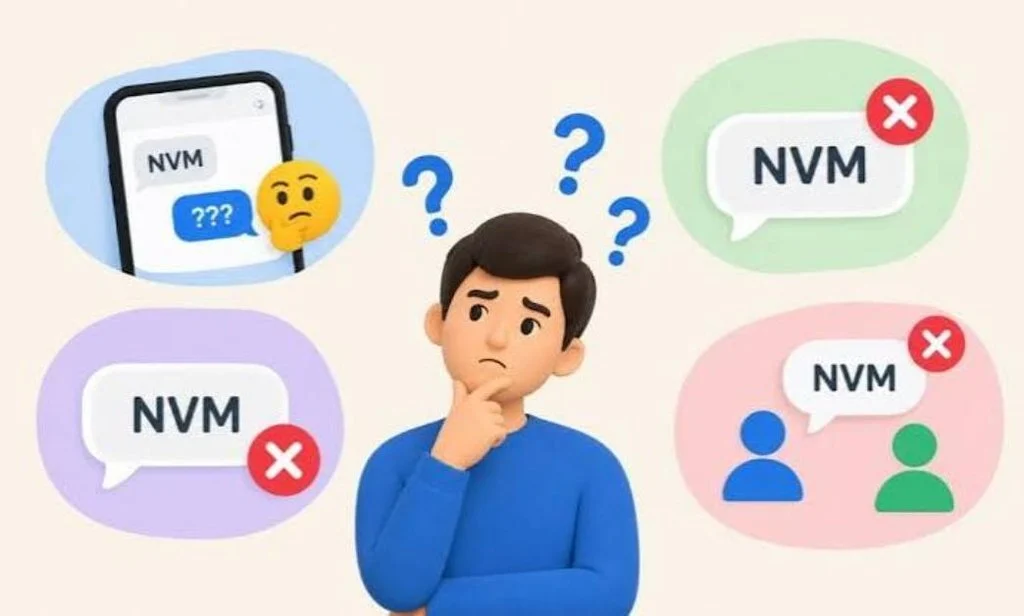
IFHY can be confusing because it expresses a strong emotion in only four letters. People may misunderstand it when they do not know the sender well or cannot hear the person’s tone of voice.
One common mistake is assuming that IFHY always means serious hatred. In a friendly conversation, it may be a dramatic reaction to a joke or prank. However, the opposite mistake is also possible: treating a genuinely hostile message as harmless teasing.
Here are some common misunderstandings:
- Thinking it is always playful: The phrase can express real anger, so do not ignore the situation.
- Assuming it is always serious: Close friends may use it jokingly.
- Ignoring the relationship: The same message can feel different when it comes from a close friend or a stranger.
- Relying only on emojis: A laughing emoji may suggest humor, but it does not always tell the whole story.
- Confusing it with other abbreviations: Similar-looking slang terms may have completely different meanings.
- Using it in formal settings: The phrase is informal and contains profanity in its usual full form.
Consider these two examples:
- “IFHY for eating my fries 😂” — likely playful if the friends are joking.
- “You betrayed my trust. IFHY.” — more likely to express genuine anger.
These examples show why context matters more than the letters alone.
If you are unsure what someone means, look at the messages before and after IFHY. Think about whether the person normally jokes with you and whether a real disagreement has taken place.
You can also ask a simple question such as, “Are you joking, or are you actually upset with me?”
This approach can prevent unnecessary arguments. It also gives the other person a chance to explain their feelings clearly.
Similar Terms, Alternatives & Related Slang
Many internet abbreviations express emotions, reactions, or strong feelings. Some are similar to IFHY because they show frustration, while others can help you express the same idea in a less harsh way.
Here are some related terms you may see in text messages:
- ILY: Means “I love you.” It expresses affection and is very different from IFHY.
- IDK: Means “I don’t know.” It is used when someone is unsure about something.
- LOL: Means “laughing out loud.” It often signals amusement.
- OMG: Means “oh my God.” It can express surprise, excitement, or frustration.
- SMH: Means “shaking my head.” It often shows disappointment or disbelief.
- WTF: A strong expression of surprise, confusion, or anger that also contains profanity.
- ISTG: Means “I swear to God.” People use it to add emphasis, frustration, or seriousness.
- FR: Means “for real.” It can emphasize that someone is being serious.
- JK: Means “just kidding.” It can clarify that a statement was intended as a joke.
If you want to express annoyance without using harsh language, you can choose a softer alternative.
For example:
- “I’m so annoyed with you right now.”
- “You’re getting on my nerves 😂”
- “I can’t believe you did that!”
- “I’m joking, but that was not cool.”
- “You’re impossible sometimes!”
The best choice depends on the situation. IFHY may fit a joking conversation between close friends, but it can sound aggressive in a serious disagreement.
Using clear words is often better when emotions are strong. If you are angry, explain what upset you instead of relying on slang that could make the conflict worse.
Examples of IFHY in Real Chat Situations
The easiest way to understand IFHY is to see how it might appear in everyday conversations. The following examples show possible uses in friendly chats, teasing, and serious situations.
1. When a Friend Plays a Prank
- Friend: “I told everyone you still sleep with a teddy bear 😂”
- You: “IFHY 😭”
- Meaning: You are reacting dramatically to an embarrassing joke.
2. When Someone Wins a Game
- Friend: “I beat you for the fifth time!”
- You: “IFHY bro 😂”
- Meaning: You are frustrated about losing, but you may be joking.
3. When Someone Spoils a Movie
- Friend: “The main character dies at the end.”
- You: “WHY WOULD YOU TELL ME THAT? IFHY!”
- Meaning: You are upset because the ending was spoiled.
4. When Someone Eats Your Food
- You: “Who finished my pizza?”
- Friend: “Me 😎”
- You: “IFHY. That was my dinner!”
- Meaning: You may be joking, genuinely annoyed, or both.
5. During a Serious Argument
- Person A: “You promised you would keep my secret.”
- Person B: “I know. I’m sorry.”
- Person A: “I’m really hurt. IFHY.”
- Meaning: The phrase may express genuine anger and hurt.
6. When a Friend Teases You
- Friend: “I still have that funny photo of you.”
- You: “Delete it right now. IFHY 😂”
- Meaning: You are reacting to the teasing, possibly in a playful way.
These examples are illustrative. They do not mean every person uses IFHY in exactly the same way.
Quick reminder: If you see IFHY in a message, pay attention to the tone and situation. The abbreviation alone cannot tell you exactly how the sender feels.
How to Reply When Someone Says IFHY
Your reply to IFHY should depend on who sent it and why they said it. A playful message from a close friend may need a funny response, while a serious message may call for a calm conversation.
Here are a few ways to reply.
If They Are Joking
If you know the person is teasing you, you can respond with humor.
- “Love you too 😂”
- “You’re so dramatic!”
- “What did I do this time? 😭”
- “Okay, okay, my bad!”
- “You know you can’t stay mad at me.”
If They Seem Annoyed
If the person sounds frustrated, acknowledge the situation instead of making another joke.
- “Wait, what happened?”
- “Are you actually upset with me?”
- “I’m sorry. I didn’t mean to annoy you.”
- “Tell me what I did wrong.”
If They Are Seriously Angry
If the message comes during an argument, stay calm and ask for clarity.
- “I can see that you’re upset. Can we talk about it?”
- “I’m sorry I hurt you. I want to understand.”
- “Let’s discuss what happened without insulting each other.”
If the Message Makes You Uncomfortable
You do not have to accept harsh language just because someone calls it slang.
- “I know you might be joking, but I don’t like that phrase.”
- “Please talk to me respectfully.”
- “If you’re upset, tell me what happened.”
The most important thing is not to assume the meaning too quickly. Read the conversation, consider your relationship, and choose a response that fits the situation.
If you are unsure, asking “Are you joking or are you serious?” is often the simplest way to avoid a misunderstanding.
Is IFHY Still Popular? Trends & Online Usage

IFHY fits the wider style of internet slang, where people shorten phrases to make messages quicker and more expressive. However, its exact popularity can vary across age groups, online communities, and social media platforms.
It is difficult to say that IFHY is universally popular or trending without reliable, current usage data. Some people may recognize it immediately, while others may rarely encounter it. New slang terms also appear frequently, and older abbreviations can remain in use within certain groups.
There are several reasons people may still use abbreviations like IFHY:
- Quick communication: Short forms are easy to type.
- Emotional expression: They can make a reaction feel stronger.
- Friendly teasing: Friends sometimes use dramatic language as a joke.
- Online culture: Gaming chats, private messages, and social media encourage informal language.
- Personal habits: Some people use abbreviations simply because they are familiar with them.
At the same time, IFHY has a strong and potentially offensive meaning. That makes it less suitable for professional messages or conversations with people who may not understand the intended tone.
People may choose simpler alternatives, such as “I’m annoyed,” “You’re so mean 😂,” or “I can’t believe you did that!”
Rather than focusing only on whether IFHY is trending, it is more useful to understand what it means and when it is appropriate.
If you encounter the abbreviation online, remember its common meaning, check the surrounding conversation, and avoid assuming that every sender intends the same emotion.
FAQs
1. What does IFHY mean in text?
IFHY usually stands for “I f***ing hate you.” It can express anger, frustration, or playful annoyance, depending on the conversation.
2. What does IFHY mean from a girl?
If a girl texts you IFHY, she may be joking, teasing you, or expressing real frustration. Her usual communication style and the situation can help you understand her intention.
3. What does IFHY mean from a boy?
If a boy sends IFHY, it generally has the same meaning. It might be a playful reaction to something you did or a sign that he is genuinely upset.
4. Is IFHY a bad word?
The usual full form includes profanity, so it is considered strong and informal language. It may be acceptable among some close friends but inappropriate in formal settings.
5. Does IFHY mean someone really hates you?
Not always. Some people use it jokingly to express annoyance. However, it can also communicate genuine anger, so consider the context before deciding.
6. How should I reply to IFHY?
If the sender is joking, you can respond playfully with “Love you too 😂.” If they seem serious, ask what happened or offer a sincere apology if you did something hurtful.
7. What does IFHY mean on WhatsApp?
On WhatsApp, IFHY usually has the same meaning as in other chats: “I f***ing hate you.” The tone may be playful or serious, depending on the messages around it.
8. Is IFHY the same as ILY?
No. ILY means “I love you,” while IFHY usually stands for “I f***ing hate you.” The two abbreviations express very different feelings.
9. Can I use IFHY with friends?
You can use it if your friends understand your humor and are comfortable with strong language. Avoid using it with people who may take it literally or feel offended.
10. Is IFHY commonly used on social media?
It may appear in private messages, comments, and casual online conversations. However, its overall popularity is difficult to confirm without current usage data.
Conclusion:
Understanding IFHY meaning in text can help you make sense of messages that might otherwise seem confusing or upsetting.
The abbreviation usually stands for “I f***ing hate you,” but it does not always mean that someone truly hates you. Friends may use it to express playful frustration, while others may use it during a serious disagreement.
The best way to understand the message is to consider the conversation, the relationship, and the sender’s tone. If you are unsure, ask what they mean instead of making assumptions.
You can reply with humor when the situation is friendly or use calm, clear words when someone seems genuinely upset. Remember that IFHY is informal and contains strong language, so it is best used carefully.
Knowing its meaning helps you communicate more clearly and avoid unnecessary misunderstandings in online chats.