When someone sends “ID” in a text message or online chat, its meaning usually depends on the conversation.
In many casual messages, ID can mean “I don’t”, especially when it is used as a short form of “I don’t know” or in phrases such as “ID want to go.”
However, ID can also mean “identification” or “identity” in everyday digital communication. This is why people often search for the ID meaning in text when they see the abbreviation without enough context.
Understanding the surrounding message is the easiest way to know what someone means. On messaging apps, social media, gaming platforms, and online communities, short forms are common because they make conversations faster.
In this guide, we will explain the different meanings of ID, how people use it, and how you can respond naturally.
Full Form, Stands For & Short Meaning of ID
The most common meaning of ID depends on how it appears in a message. Unlike some slang terms with only one fixed definition, ID can represent several words.
In casual texting, ID may be used as a shortened form of “I don’t.” For example, someone might write “ID wanna go” to mean “I don’t want to go.” This usage is informal and depends heavily on the rest of the sentence.
In other conversations, ID commonly stands for “identification.” This meaning is especially common when people discuss documents, accounts, usernames, or verification.
Common meanings of ID include:
- I don’t – informal texting abbreviation
- Identification – used for documents or verification
- Identity – sometimes used when discussing a person’s identity
- ID number – a number assigned to a person, account, order, or item
- User ID – a username or account identifier
- Account ID – a unique number or code connected to an account
For example:
- “ID know what happened.” → “I don’t know what happened.”
- “Please send your ID.” → “Please send your identification.”
- “What’s your user ID?” → “What is your account or username identifier?”
So, the ID meaning in text cannot always be determined by the two letters alone. Always look at the sentence around it.
Origin, History & First Known Use of ID
The abbreviation ID has more than one background because it developed from different words and contexts.
When ID means identification, it is connected to the word “identification.” Shortened forms such as ID became useful as paperwork, records, government documents, and later digital systems became more common. Today, ID is widely recognized in phrases such as “ID card,” “photo ID,” and “student ID.”
There is also a separate informal texting use where ID can represent “I don’t.” This type of abbreviation comes from the broader culture of shortening phrases in digital communication. Text messages, instant messaging, and social media encouraged people to type fewer characters and communicate quickly.
The exact first use of ID as a texting abbreviation is difficult to establish because internet slang develops informally. People may create and spread abbreviations without a single official starting point.
How the meanings developed:
- Identification: Became a standard abbreviation in formal and everyday language.
- Digital communication: Short forms became popular as online chatting grew.
- Text messaging: Users began shortening common phrases to save time.
- Social media: Character limits and fast conversations encouraged more abbreviations.
Today, ID is not limited to one platform or age group. Its meaning changes according to the setting.
How People Use ID in Daily Conversations
People use ID in both casual and practical conversations. The meaning becomes much easier to understand when you examine the words around it.
In casual texting, ID can sometimes mean “I don’t.” This usage usually appears before a verb or another part of a sentence.
Examples:
- “ID wanna talk rn.” → “I don’t want to talk right now.”
- “ID think that’s right.” → “I don’t think that’s right.”
- “ID remember her.” → “I don’t remember her.”
However, someone asking for an ID usually means identification.
For example:
- “Bring your ID tomorrow.”
- “They asked for my ID at the entrance.”
- “Can you send me your ID number?”
The abbreviation can also appear in technology-related conversations.
Examples:
- “What’s your user ID?”
- “Enter your ID to continue.”
- “I forgot my account ID.”
The best way to interpret ID is to consider the grammar and topic.
If it appears in a sentence such as “ID know,” it may mean “I don’t.” If someone says “Show me your ID,” it almost certainly means identification.
This simple context check can prevent most misunderstandings.
ID Meaning Across WhatsApp, Instagram, TikTok & Snapchat
The ID meaning in text can vary slightly depending on where you see it. Messaging and social media platforms often use abbreviations differently from formal websites or apps.
On WhatsApp, ID may appear as a casual abbreviation for “I don’t.” It can also refer to an account or identification number.
Example:
- “ID know 😂”
- “Send me your ID.”
On Instagram, ID is often connected with usernames, accounts, or identification. Someone may ask for an Instagram ID when they want to find an account.
Example:
- “What’s your IG ID?”
- “Send me your ID.”
TikTok
TikTok users may use ID in casual messages or when talking about an account. Context determines the meaning.
Example:
- “ID think so.”
- “What’s your TikTok ID?”
Snapchat
On Snapchat, ID can refer to an account identity or username. It can also appear as a casual abbreviation in chats.
Example:
- “ID wanna go 😭”
- “What’s your Snap ID?”
Quick tip
If ID appears inside a sentence, check whether “I don’t” makes sense. If it refers to an account, document, or number, it probably means identification or identity.
Different Meanings of ID in Other Fields
The abbreviation ID is not only used in texting. It has several established meanings in different areas.
In everyday life, ID usually means identification. A driver’s license, passport, school card, or employee card may be called an ID.
In technology, ID often means an identifier. An identifier is a unique name, number, or code used to recognize something.
Common uses include:
- Identification: “Please show your ID.”
- ID card: A card used to identify a person.
- User ID: An identifier connected to an online account.
- Employee ID: A number assigned to a worker.
- Student ID: A number or card connected to a student.
- Order ID: A unique number for an online purchase.
- Product ID: A code used to identify a product.
- Account ID: A unique account identifier.
- Caller ID: Information showing who is calling.
- ID number: A number used to identify a person or record.
In programming and databases, ID is also extremely common. A database may give each user, product, or post a unique ID.
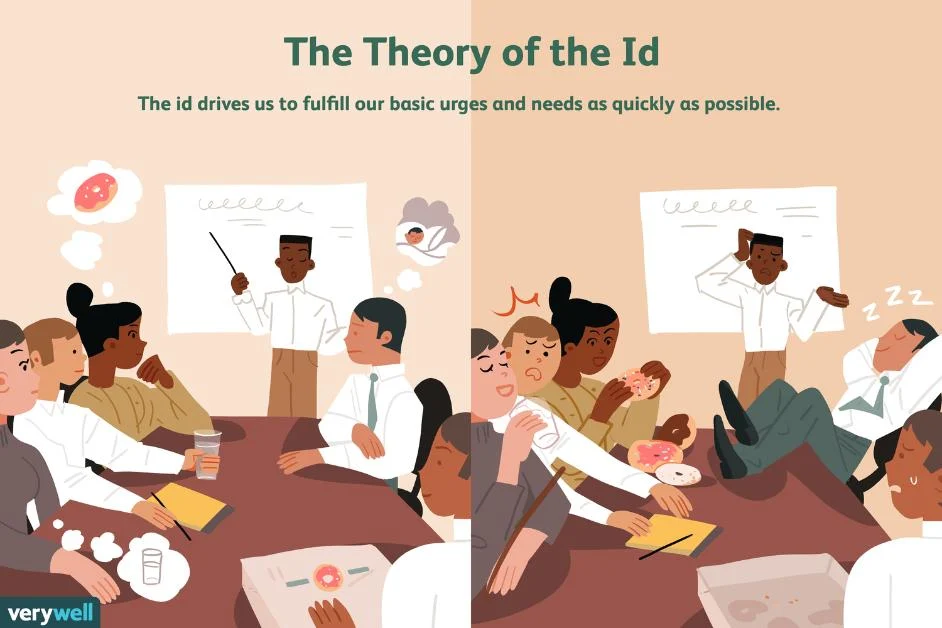
There is also a psychological meaning of id, written in lowercase. In Freudian theory, the id refers to one part of the human personality.
Because these meanings are very different, the surrounding topic matters. A message about a passport probably means identification, while a discussion about psychology may use “id” in its technical sense.
Common Confusions, Mistakes & Wrong Interpretations
One of the biggest problems with ID is that people sometimes assume it has only one meaning. That can lead to confusing or funny misunderstandings.
For example, if someone says, “ID know,” they may be using ID as a short form of “I don’t.” But if someone says, “Bring your ID,” they are referring to identification.
Common mistakes include:
- Assuming ID always means identification.
- Assuming ID always means “I don’t.”
- Ignoring the rest of the sentence.
- Confusing ID with another texting abbreviation.
- Treating casual texting language as formal English.
Another issue is capitalization. ID is commonly used for identification, while informal abbreviations may appear as id, ID, or other variations depending on the person’s typing style.
Context is more important than capitalization.
For example:
- “IDK what happened.” → I don’t know
- “ID card required.” → Identification card
- “What’s your ID?” → Identifier/account or identification, depending on context
- “ID think so.” → I don’t think so
If you’re unsure, read the whole message before deciding what ID means. You can also ask the sender directly.
A simple response such as “What do you mean by ID?” can clear things up quickly.
Similar Terms, Alternatives & Related Slang
If you’re learning internet abbreviations, you may see several terms that look similar to ID. Some have related meanings, while others are completely different.
Related texting abbreviations:
- IDK – I don’t know
- IDC – I don’t care
- IDK – I don’t know
- IMO – in my opinion
- IK – I know
- IKR – I know, right?
- TBH – to be honest
- BTW – by the way
- NGL – not gonna lie
- IRL – in real life
If someone writes “IDK,” the meaning is usually much clearer than simply “ID.” The K completes the phrase “I don’t know.”
Similarly, IDC means “I don’t care,” so the extra letters make the intended phrase easier to identify.
Internal linking suggestions
For a website about texting slang, you could naturally link this article to related pages such as:
- IDK Meaning in Text
- IDC Meaning in Text
- IK Meaning in Text
- IKR Meaning in Text
- TBH Meaning in Text
- NGL Meaning in Text
- BTW Meaning in Text
These related pages can help readers understand other common abbreviations they may encounter in chats.
Examples of ID in Real Chat Situations
Seeing ID in realistic conversations makes its meaning much easier to understand. Here are some simple examples.
Example 1: “I don’t”
Person A: Are you coming tonight?
Person B: ID think so 😭
Here, ID means “I don’t.” The complete sentence is “I don’t think so.”
Example 2: Identification
Person A: What do I need to bring?
Person B: Just your ID.
Here, ID means identification.
Example 3: Account identifier
Person A: I can’t find your account.
Person B: I’ll send you my user ID.
Here, ID refers to an account identifier.
Example 4: Casual disagreement
Person A: This movie is amazing!
Person B: ID agree 😂
Here, ID means “I don’t,” creating the sentence “I don’t agree.”
Example 5: School
Teacher: Please write your student ID on the form.
Here, ID means the student’s identification number.
Quick examples:
- “ID know 😭” → I don’t know.
- “ID think so.” → I don’t think so.
- “Bring your ID.” → Bring your identification.
- “Send your user ID.” → Send your account identifier.
- “What’s your ID number?” → What is your identification number?
How to Reply When Someone Says ID
Your response depends entirely on what the person means by ID. First, look at the surrounding message.
If ID means “I don’t,” simply respond to the complete sentence.
For example:
Them: “ID know what happened.”
You: “No worries, I’ll check.”
If they are asking for identification, respond according to the situation.
Them: “Can you send your ID?”
You: “Which ID do you need?”
If someone mentions a user or account ID, you can clarify which identifier they want.
Useful replies include:
- “What do you mean by ID?”
- “Which ID?”
- “Do you mean your user ID?”
- “Are you asking for identification?”
- “Oh, you mean ‘I don’t’?”
When you’re unsure, asking for clarification is better than guessing. This is especially important when someone asks for personal identification. You should only share sensitive identification details when it is appropriate and safe to do so.
In casual chats, the meaning is often obvious from the sentence, so no clarification may be needed.
Is ID Still Popular? Trends & Online Usage
Yes, ID remains common in digital communication, but its popularity depends on which meaning is being used.
The identification meaning is firmly established in everyday language. People regularly use ID when talking about documents, accounts, verification, schools, workplaces, purchases, and online services.
The informal “I don’t” use is more dependent on personal texting style. Some people prefer extremely short abbreviations, while others type the full phrase. Modern messaging apps make longer messages easy to send, so not everyone uses older-style abbreviations as often.
Still, short forms remain an important part of online communication.
You may encounter ID in:
- Text messages
- WhatsApp chats
- Instagram messages
- TikTok comments and messages
- Snapchat conversations
- Online gaming
- Forums
- Workplace platforms
- Account registration pages
- Customer-support chats
One important trend is that internet abbreviations often change meaning based on context. A term that looks like slang may actually be a technical abbreviation.
That is exactly why understanding the ID meaning in text requires more than memorizing one definition. Look at the sentence, platform, and topic before deciding what the writer means.
FAQs
What does ID mean in text?
In texting, ID can mean “I don’t” in some informal contexts. It can also mean “identification” or “identifier.” The surrounding sentence tells you which meaning applies.
What does ID mean in WhatsApp chat?
On WhatsApp, ID may be used as an informal abbreviation for “I don’t.” It can also refer to identification, a username, or an account identifier.
Does ID mean “I don’t”?
Sometimes. For example, “ID know” can mean “I don’t know.” However, ID does not always have this meaning.
What does ID mean on Instagram?
On Instagram, ID can refer to an account identifier or username. In a casual message, it may also mean “I don’t,” depending on the sentence.
What does ID stand for?
The most common formal meaning of ID is identification. In informal texting, it can sometimes represent “I don’t.”
Is ID the same as IDK?
No. IDK usually means “I don’t know.” ID by itself can have several meanings, so context is needed.
What does user ID mean?
A user ID is an identifier used to recognize a particular online account or user. It may be a username, number, or other unique identifier.
Conclusion:
The ID meaning in text depends strongly on context. In casual messages, ID can sometimes mean “I don’t,” while in everyday and digital settings it commonly means “identification” or “identifier.”
You may see it when someone discusses an ID card, account, username, student number, or other identifying information.
The easiest way to understand ID is to read the entire sentence rather than focusing only on the abbreviation.
For example, “ID know” likely means “I don’t know,” while “Show me your ID” refers to identification.
Once you understand these common patterns, ID becomes much easier to recognize in WhatsApp, Instagram, TikTok, Snapchat, and other online conversations. When in doubt, simply ask what the sender means.